
Therapeutic
approaches
At Espai Gal·la Placídia we understand the person as a whole and offer approaches that combine physical, emotional and social aspects, respecting natural rhythms and cycles. The aim is to improve health, prevent future dysfunctions and support processes of wellbeing and self-regulation, promoting balance and harmony between body and mind.
Here you will find all kinds of approaches, always in an environment of calm, respect and practicality.
Physiotherapy
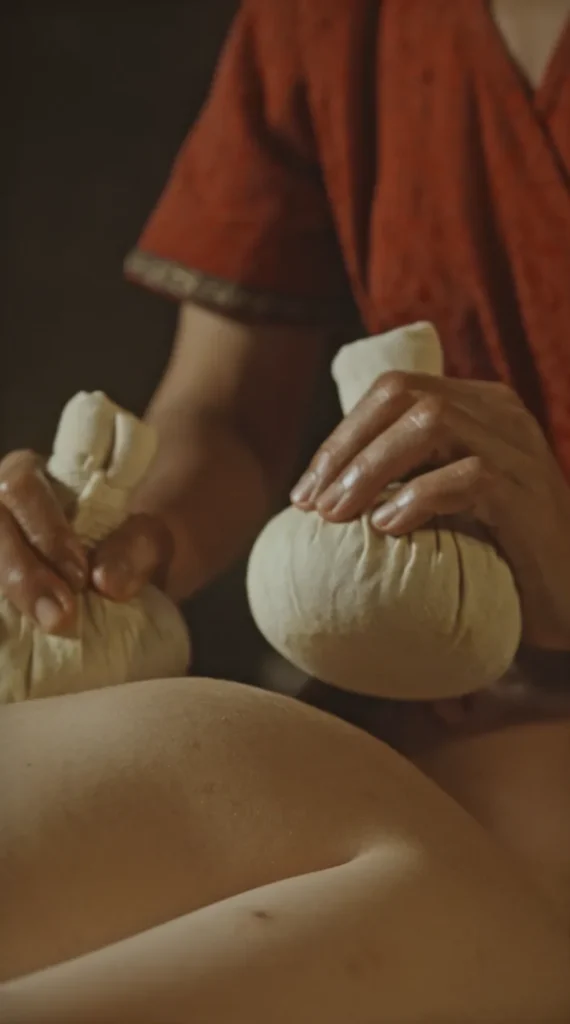
Contemporary manual physiotherapy supports the body’s processes in order to restore movement, balance and wellbeing. It uses specific techniques and therapeutic exercises to treat muscular and skeletal problems, and goes beyond symptom relief: it seeks to understand and address the root of each situation. This approach helps improve health, prevent future dysfunctions and support processes of personal growth and self-regulation.
Osteopathy
Osteopathy is a natural manual therapy that considers the body as an interconnected whole. Through manual adjustments, professionals work to restore the normal function of bodily structures, whether muscular, visceral or nervous system related.
When there are blockages in a structure, the body’s function is altered. The aim of osteopathy is to locate and correct these blockages, allowing self-regulation, balance and the person’s overall wellbeing, while respecting natural processes of recovery and growth.
Paediatric osteopathy
The first years of life, from pregnancy to childhood, are crucial for a baby’s development. Factors such as pregnancy and birth can influence long-term health and wellbeing, both for the mother and the baby.
Paediatric osteopathy is a gentle manual therapy that supports these processes, helping to reduce discomfort associated with pregnancy and birth, and to release tensions and dysfunctions that could affect the baby.
This practice promotes wellbeing, balance and self-regulation at every stage, offering comprehensive support to both mother and baby and helping to prevent possible health difficulties in the future.
Integrative health
Clinical psychoneuroimmunology (PNI) is a discipline that seeks to understand the human body in a global and integrative way, exploring how different systems — immune, endocrine and neurological — interact and communicate in relation to everyday factors such as nutrition, physical exercise and rest.
During the support process, the person’s health condition and its relationship with lifestyle are reviewed, proposing an integrative and regulatory approach that promotes the body’s natural ability to self-regulate and regain balance.
This approach uses lifestyle as a therapeutic tool, encouraging natural processes of wellbeing, growth and harmony between body and mind.
For women
Throughout life, many women may experience changes or dysfunctions in the pelvic floor related to pregnancy and childbirth, menopause, impact sports, weight fluctuations or surgery. These alterations may affect the pelvis, bladder, vagina or rectum, and are often experienced as inevitable or without solution.
Through a specialised approach that respects each life stage, support in physiotherapy and osteopathy helps prevent, treat and improve these alterations, promoting functional recovery and overall wellbeing.
The aim is to offer a safe space where the body can be listened to, its changes understood, and processes of recovery, balance and quality of life encouraged.
Psychology, coaching and speech therapy
Psychology, coaching and speech therapy support people in their emotional wellbeing, personal development and communication. Professionals work to help overcome blocks, manage stress, face relationship or professional difficulties and support processes of growth and self-regulation.
At Espai Gal·la Placídia, psychologists, speech therapists and coaches offer individual, couples or family sessions, always from a place of respect, listening and confidentiality, respecting each person’s rhythm and process, with diverse therapeutic approaches.
The aim is to accompany you in your process of balance, growth and wellbeing, helping you feel more connected with yourself and enjoy a fuller life.
Depression
Depression is approached from a personalised perspective, supporting the person in recognising its causes and developing strategies that promote emotional wellbeing, life balance and self-regulation.
Self-esteem and personal confidence
A space to recognise one’s own worth and develop inner security, supporting processes of personal growth and the strengthening of confidence.
Insecurity
Support to identify and transform patterns of insecurity, developing skills that allow situations to be faced with greater confidence and assurance.
Stress and post-traumatic stress
Support in stress management and recovery from traumatic situations, promoting resilience, emotional harmony and stability in life processes.
Generalised anxiety
Comprehensive support to understand and manage excessive worry, restoring balance, calm and everyday wellbeing.
Phobias and fears
Support to face and overcome phobias or fears that limit daily life, using techniques that promote security and confidence in personal processes.
Addictions
Support in processes of change and recovery from addictive behaviours or substances, promoting self-regulation, wellbeing and personal growth.
Obsessive-compulsive disorders
Support in the management of intrusive thoughts and compulsions, facilitating emotional balance and mental clarity in each person’s process.
Psychosomatic disorders
Support in the body-mind connection, helping to understand how emotional stress may manifest physically and to recover overall wellbeing and harmony.
Language difficulties
Support for language difficulties — voice, reading, writing or pronunciation — working on both technical and emotional skills, while respecting each person’s rhythm and process.
Eating disorders
Support in the relationship with food and the body from a compassionate, respectful and integrative perspective, promoting processes of recovery and balance.
Child and adolescent psychology
Support for children and adolescents in managing emotions, behaviours and academic difficulties, adapting the support to their life stage and personal rhythm.
Relationship difficulties
Support to improve communication, resolve conflicts and strengthen the relationship, offering a safe, integrative and respectful space.
Fertility difficulties
Emotional support in fertility and assisted reproduction processes, helping each stage to be lived with confidence, serenity and emotional wellbeing.
Sexology
Support in sexual and intimacy-related matters, promoting improvement in emotional and affective life and wellbeing, while respecting personal rhythms and processes.
Hypnosis
Use of hypnosis as a therapeutic tool to address anxiety, pain management and other processes, promoting self-regulation, mental clarity and personal balance.
Complementary therapies
Complementary therapies include a range of practices aimed at promoting body balance and overall wellbeing, and can be integrated in a coordinated way with other health approaches, including conventional medicine.
These techniques are based on a holistic view of the person and may help reinforce processes of regulation, prevention and recovery. In some cases, certain practices are recognised within the catalogue of services of the public health system.
Below, you can explore the different complementary therapies available in the space, carried out by independent professionals, each with their own therapeutic approach and criteria.
Acupuncture
Acupuncture is a therapeutic practice of Eastern origin with a long tradition of clinical application around the world. It is based on the stimulation of specific points on the body to promote processes of regulation and balance. When applied by trained professionals, it can be integrated with other health approaches and complement medical treatments, always assessing each case individually. The World Health Organization has described different areas in which acupuncture may be useful as therapeutic support.
Areas of application
• Addictions
• Joint pain
• Hearing problems
• Headaches and migraines
• Pain in legs and arms
• Nervousness and emotional disturbances
• Mood changes
• Sleep difficulties
• Fertility problems
• Allergies
• Facial paralysis, such as Bell’s palsy
Auriculotherapy
Auriculotherapy is a technique that consists of stimulating specific points on the outer ear. According to this approach, the ear reflects different parts of the body, and its stimulation may encourage regulatory responses through the nervous system. Through this activation, the body’s own resources are stimulated in order to promote balance and wellbeing. Depending on the points worked on, the effect may have physical, functional and emotional repercussions. It can be integrated as a complement within a broader therapeutic process, always assessing each situation individually.
Areas of application
• Addictions
• Excess weight
• Low mood, insomnia or emotional discomfort
• Headaches and migraines
• Sciatica and facial paralysis
• Gynaecological alterations
• Digestive disorders
• Respiratory tract disorders
• Neck, lower back, back or shoulder pain
• Joint pain
• Dermatological disorders
• Rheumatic pain
Homeopathy
Homeopathy is a therapeutic system developed in the 19th century and based on the principle of similarity: it uses highly diluted substances which, according to this approach, could produce symptoms in a healthy person similar to those being addressed. The homeopathic approach is based on a global view of the person, taking into account the full range of physical and emotional symptoms. The aim is to stimulate the body’s own regulatory capacity within an individualised process. It can be integrated as a complement to other therapeutic approaches, assessing each case on a personalised basis.
Areas in which some people turn to it Training
• Joint pain, such as arthritis
• Blood pressure disorders
• Allergies
• Menstrual cycle alterations
• Digestive disorders
• Discomfort associated with pregnancy
• Support in childhood (bronchitis, asthma, eczema, etc.)
• Emotional distress
Kinesiology
Kinesiology is a discipline that uses muscle testing as a functional assessment tool. Through muscle response, possible imbalances are sought in different areas of the person — structural, emotional, nutritional or energetic, according to this approach. The aim is to identify factors that may be interfering with overall balance and apply harmonising techniques appropriate to each case. These may include resources related to physiology, acupressure, emotional support, nutrition or other complementary tools. From this perspective, the goal is to stimulate the body’s self-regulation capacity and promote wellbeing processes in an individualised way.
Areas in which it may be used as support
• Stress
• Pain
• Feeling of overload or toxicity
• Emotional disturbances
• Cognitive or learning difficulties
• Skin disorders (psoriasis, acne, dermatitis)
• Headaches and migraines
• Hyperactivity
• Persistent fatigue
• Premenstrual syndrome
Biomagnetism
Biomagnetism is a technique that uses magnets applied to specific points on the body with the aim of promoting processes of balance and wellbeing. According to this approach, its application may contribute to the regulation of different bodily functions and promote a general feeling of comfort. This practice is used as a complement within a broader therapeutic process and always with an individual assessment of each person. The aim is to stimulate the body’s natural capacity for regulation and balance, without replacing any necessary medical treatment.
Areas in which it may be applied as support
• Skin disorders or mild infections (fungi, bacteria, viruses, parasites)
• Various organic dysfunctions, according to the therapeutic approach
• Support for processes of balance and self-regulation in the body
Reflexology
Reflexology is a manual technique that applies pressure or massage to specific points on the body, usually on the feet, but also on the hands, skull or ears. This practice is based on an integrative view of the body, where stimulation may promote relaxation, balance and natural regulatory processes. Reflexology may be used as a complement within a broader therapeutic process, adapting the techniques to each person and respecting their rhythm and needs. The aim is to promote wellbeing, comfort and bodily and emotional harmony.
Areas in which it may be applied as support
• Back and neck pain
• Digestive disorders (constipation, gastritis)
• Menstrual pain
• Respiratory problems such as asthma
• Headaches and migraines
Muscle therapy
Muscle therapy is a manual technique that combines massage and acupressure on the musculoskeletal system. It works deeply on the muscles, acting on tension points to encourage mobility, flexibility and bodily comfort. This practice may be used as support within a broader therapeutic process, promoting muscular and nervous system relaxation, as well as greater physical and emotional wellbeing. Application is always adapted to each person’s needs and rhythm.
Areas in which it may be applied as support
• Tendinitis
• Lower back and neck pain
• Feeling of tired legs (heaviness, tingling, swelling)
• Sciatica
• Muscle contractures and back problems
• Relaxation of the nervous system (anxiety, stress)
• Headaches and migraines
• Dizziness
• Recovery from sports injuries

Let’s take care of ourselves
We believe in the need to be respectful, integrative and sensitive. We want to care for our space so that the space can care for you.
"Espai Gal·la Placídia is a space with its own philosophy. We firmly believe that the human quality of professionals and their technical abilities go hand in hand."
gal·la placídia team
"Espai Gal·la Placídia is a peaceful space where one can work in a holistic and integrative way."
Judith López
psychologistWe are an authorised centre

Pl. Gal·la Placídia, 8-10, 4t 2a
08006 Barcelona
932 175 548
info@espaigallaplacidia.com